
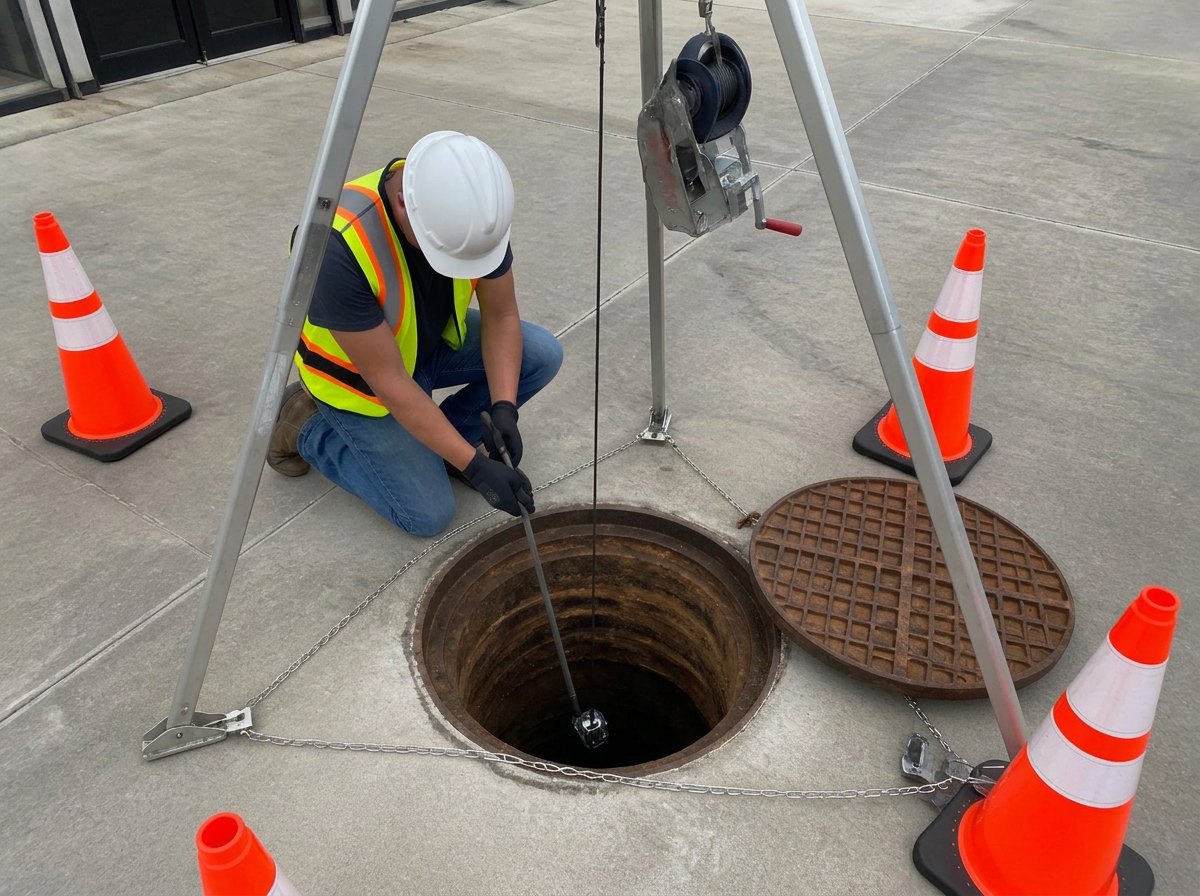
Fast-growing Central Texas communities are adding new development while maintaining aging sewer systems. A structured condition assessment program helps public works teams see where risk sits, spend rehabilitation budgets where they matter and document decisions for councils and regulators.
Start with risk, not mileage
Rather than inspecting the whole system at once, prioritize segments by likelihood and consequence of failure. Older materials, known overflow locations, lines under major roads and mains serving critical facilities usually come first.
Clean, inspect, code
- Jet lines ahead of the camera so defects are visible
- Inspect with PACP-certified operators for consistent data
- Code structural and operational defects with grades
- Record MACP data for manholes where required
- Deliver data in a format your GIS or asset system accepts
Turn findings into a capital plan
Segment ratings let engineers group work into maintenance cleaning, point repairs, lining and replacement. Repeating inspections on a cycle shows how conditions change and validates whether maintenance intervals are working.
Keep the program moving
Annual inspection targets, clear data standards and a contractor that can clean and inspect in one mobilization keep programs on schedule and reduce traffic control time on busy corridors.
Condition assessment FAQ
- How much of a system should be inspected each year?
- It depends on budget and risk. Many programs set an annual target focused on the highest-risk segments first.
- Can you deliver data for our GIS?
- Yes. Discuss your required format at scoping so inspection data imports cleanly.